
Platform engineering has matured beyond ad-hoc infrastructure automation. It has evolved into the foundational operating system of the modern enterprise, and the discipline now requires standardized knowledge frameworks. Since launching the Platform Engineering University one year ago, we’ve been surprised to learn that it's senior engineers with 8+ years of experience driving certification demand, not junior engineers seeking career transitions. They're not looking for basic training - they're seeking validation, shared language, and best practices to align their teams.
Why platform engineering certifications exist
Platform engineering is experiencing explosive growth. The discipline has evolved from ad-hoc infrastructure automation into a structured, product-oriented practice that requires specialized competencies.
Traditional DevOps certifications don't address these competencies. They focus on tool-specific skills - how to configure Jenkins pipelines or deploy Kubernetes clusters - rather than the discipline-specific knowledge platform engineers need. Questions like "How do you conduct user research to solve real developer pain points?" or "What golden paths will drive actual adoption?" rarely appear in conventional DevOps training.
Platform Engineering University's vendor-neutral approach fills this gap. Rather than teaching you how to use specific cloud providers' tools, the certification path focuses on core platform engineering principles: abstraction layers, golden paths, platform as a product, and the progression from Minimum Viable Platform to full Internal Developer Platform. These competencies transfer across organizations, tools, and technology stacks.
We’ve certified almost 2,000 students, and the validation pattern emerged quickly. A Head of Platform would complete the foundational course, verify the content matched their understanding, then enroll their entire platform team - often 20 to 30 engineers. This wasn't simply training, it was establishing shared language at scale.
The State of Platform Engineering Volume 4 survey confirmed why this matters. Nearly 500 practitioners identified shared language, platform as a product adoption, and internal adoption struggles as their biggest challenges. Senior engineers needed a common vocabulary to solve communication breakdowns across their organizations.
The three-tier certification structure: How the path works
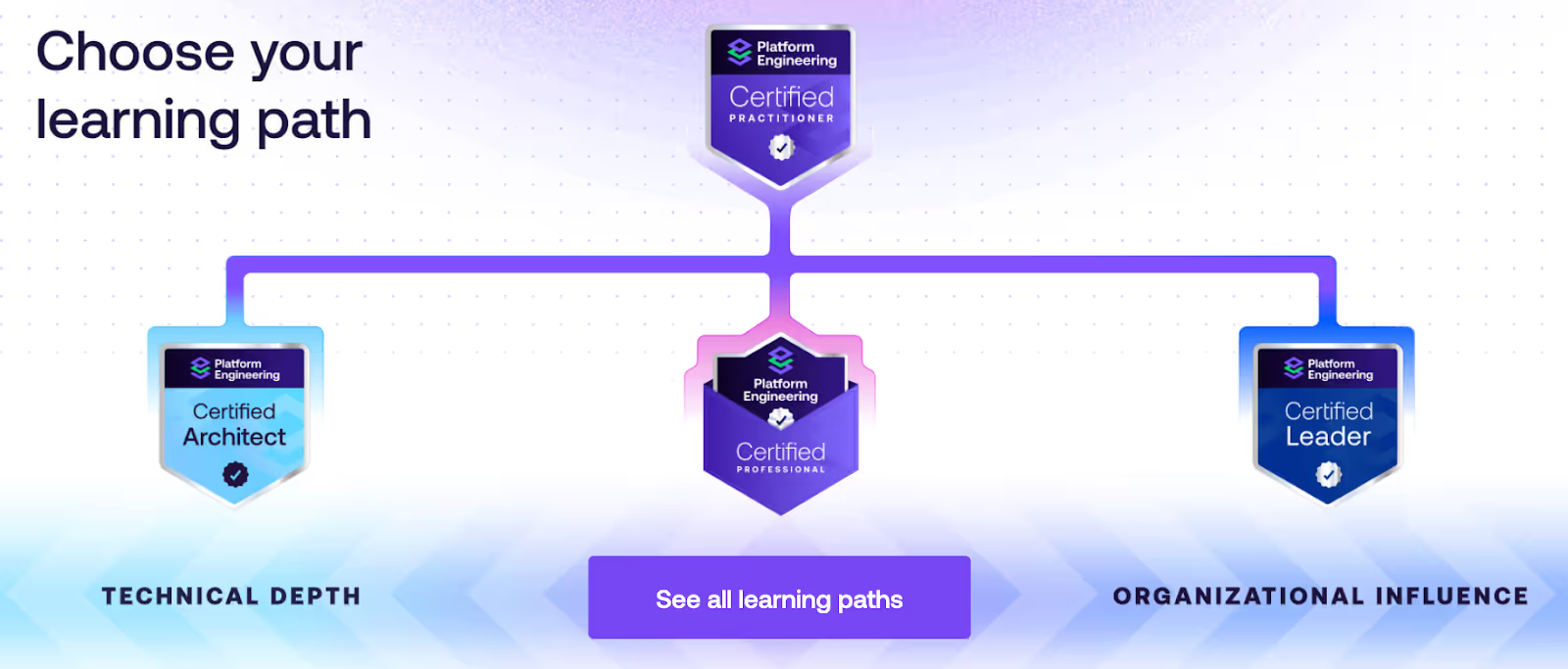
The certification program follows a clear progression model. You start with foundational concepts, then branch into specialized tracks based on your role and career goals.
This ecosystem evolved directly from practitioner feedback. What started as a single fundamentals course expanded into four distinct levels, each addressing specific competencies and career stages:
This architecture reflects platform engineering's T-shaped expertise model: deep foundational knowledge augmented by specialized domain competencies. You build core platform engineering fluency first, then branch into the track that matches your role and organizational needs.
Certified Practitioner serves as the universal foundation. The six-week program covers abstraction layers, golden paths, platform as a product thinking, and the MVP to IDP progression.
After completing Practitioner, you choose your specialization:
- Certified Professional: Advanced technical implementation patterns for complex platform challenges
- Certified Leader: Organizational strategy, stakeholder management, and platform team leadership
- Certified Architect: Deep architectural patterns, code-focused design, and technical decision frameworks
This branching structure reflects how platform engineering roles actually evolve. Some engineers go deeper into technical implementation. Others move toward organizational strategy. The certification path accommodates both trajectories.
Advanced specialization: The Architect certification
After completing Practitioner certification, the Architect course targets engineers who need deep technical expertise in platform design and implementation.
This certification is code-focused. You'll work through platform architecture patterns, technical decision frameworks, and the implementation details required to build robust Internal Developer Platforms. The curriculum covers security and compliance by design using Policy as Code with OPA, Gatekeeper, and Kyverno and you’ll learn how to build developer-facing APIs, CLIs, and UIs that power intuitive, self-service platform experiences.
The Architect track assumes you already understand platform engineering fundamentals. It is for senior engineers who need to design platform architectures that scale across multiple teams and complex organizational structures.
Determining your starting point
Your appropriate starting point depends on your current role, experience level, and organizational context - not just your technical skills.
Start with Practitioner if you:
- Are transitioning from DevOps, SRE, or traditional operations roles
- Need to establish shared terminology across your platform team
- Want validation that your understanding of platform engineering best practices is correct
- Are building organizational buy-in for platform engineering initiatives
Progress to Architect if you:
- Have Kubernetes deployment experience and policy-as-code exposure
- Need to design and implement production-grade IDP architecture
- Want hands-on expertise in zero-trust security and platform automation
- Are responsible for technical platform foundations
The Architect bundle offers the most comprehensive path for experienced engineers who need both shared language and deep technical implementation skills.
Industry recognition follows certification. The platform engineering discipline is maturing rapidly. Certified practitioners position themselves at the forefront of this growth, with validated expertise in a discipline that's becoming central to software engineering organizations.
For more information or to talk about getting certified, reach out to me directly: certifications@platformengineering.org
Frequently asked questions
Do I need cloud certifications before starting platform engineering certifications?
No. Platform Engineering certifications are vendor-neutral and focus on discipline-specific competencies rather than cloud provider tools.
Can I skip Practitioner and start with Architect?
You can, but it isn’t recommended. Practitioner establishes the shared language and foundational concepts that Architect builds upon, even for experienced engineers.
How long does Architect certification remain valid?
Architect certification requires renewal after 12 months due to rapid discipline evolution.
Should my entire team complete the same certification?
Yes. Team-scale adoption creates shared vocabulary that solves communication problems and improves collaboration more effectively than individual learning.
Join the Platform Engineering community and connect with peers on Slack.